
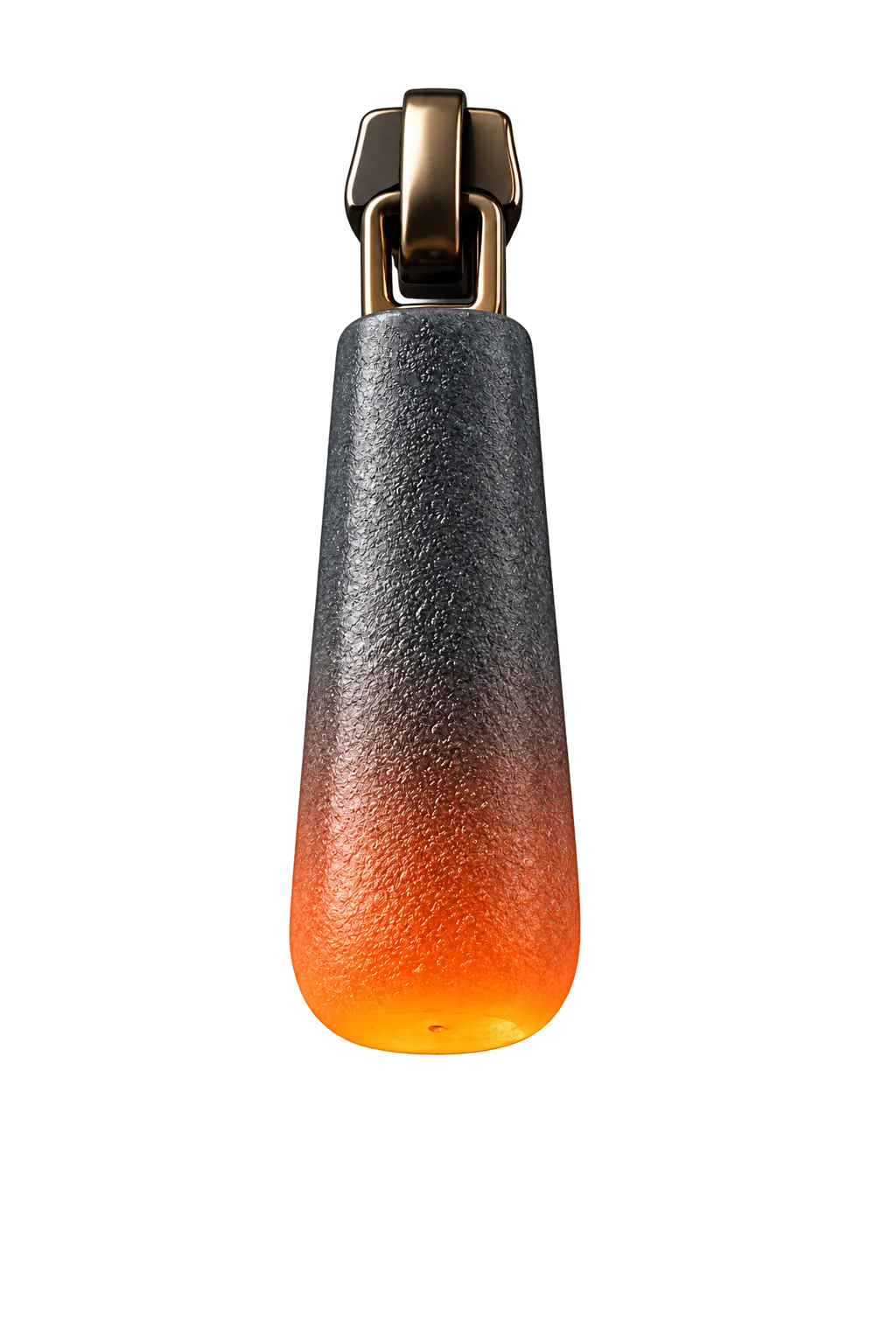
 ↗
MATERIAL APPLICATION STUDY
Resin material studies
Exploring resin formulations, appearance and finishing options for apparel components. Composition, source and any environmental attributes are reviewed separately for the selected formulation and application.
Exploration
Material identity & source
Resin studies cover the selected polymer system, additives, pigments, inclusions and finishing route. Transparency, recycled input and bio-based content are separate specification items. Define the formulation and source information before making a material claim.
Material behaviour
Visual depth may come from transparency, colour, particles or a layered structure. Compare hand feel, weight, flexibility and surface appearance alongside the design effect. An attractive inclusion is also an interface that can influence bonding and durability.
Application study
Applications include zipper pullers, buttons, buckle inserts and decorative details. Start with the required shape, thickness, attachment and handling. For a transparent pull tab, determine whether the connector is mechanically retained, moulded in or assembled after forming.
Forming & processing
Review casting or moulding, inclusion preparation, curing or cooling, demoulding and surface polishing. Control the parameters that affect air entrapment, shrinkage, particle distribution and colour consistency. Test the intended assembly route using the selected material system.
Prototype evidence
Use samples to compare appearance, feel, connector retention and process consistency. Retain an approved reference and identify the formulation, process and component revision before extending the result to an order.
Test conditions & assessment plan
Record formulation, colour, inclusion size and content, geometry, curing or conditioning, sample count and attachment method. Agree the loading direction, force or cycle requirement, abrasion conditions, ageing exposure and garment-care procedure with the intended application.
Results & application review
Record appearance, dimensional change, voids and inclusion distribution, then report cracking, yellowing, surface wear and attachment performance under the agreed conditions. Results belong to the selected formulation and specimen; no universal resin durability rating or environmental claim is assigned.
Limitations & next steps
Assess brittle fracture, creep, trapped air, ageing, yellowing, colour transfer and compatibility between resin, inclusions and metal. Heat, care chemicals and geometry may affect performance. Confirm recycled or bio-based content through the relevant material records.
Related product developments
Review the stated development stage and specification for each item. A material study is not production approval.
↗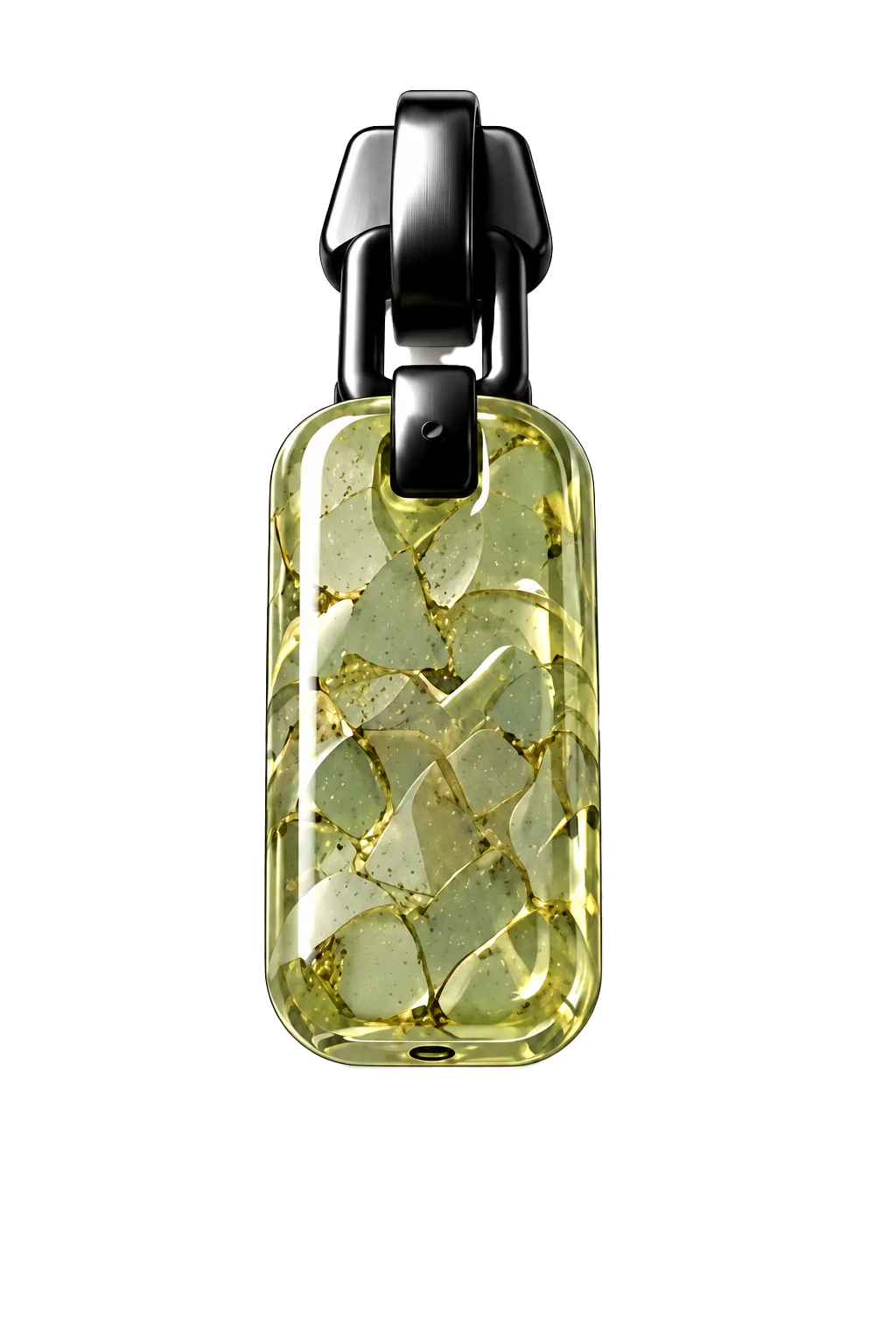 ↗
Gilded Veins Translucent Mosaic Resin Zipper Puller
Prototype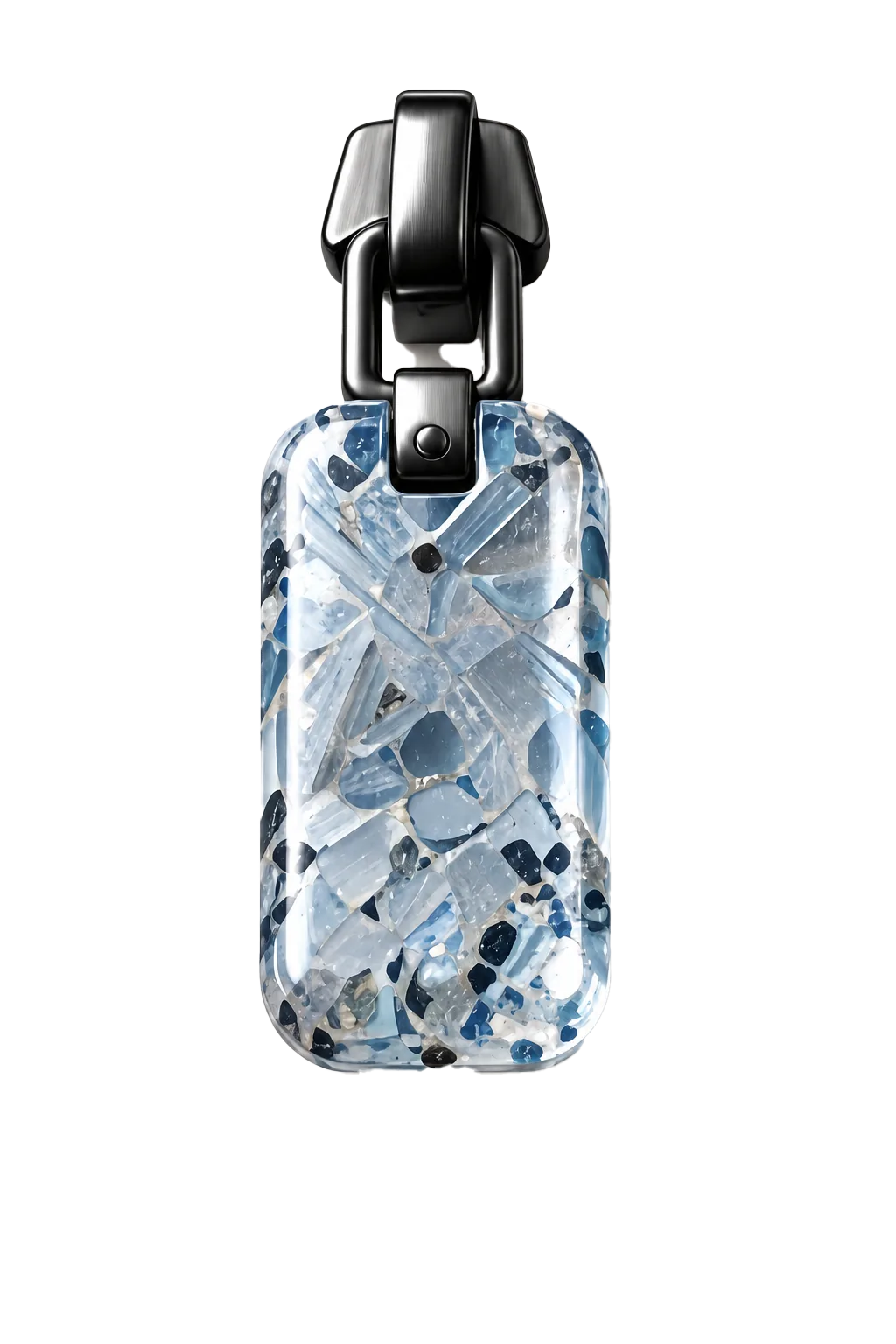 ↗
Glacier Shards Translucent Composite Resin Zipper Puller
Concept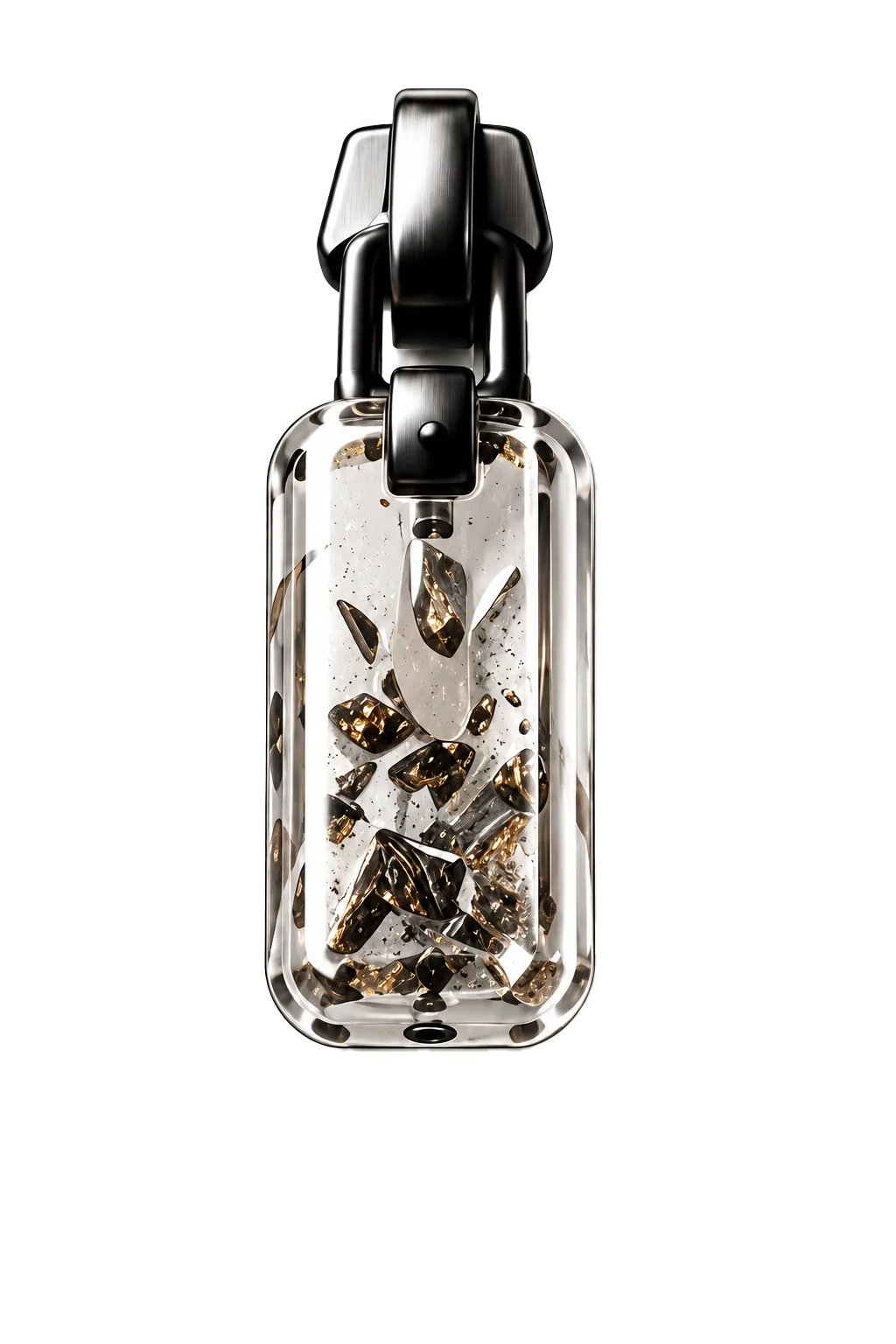 ↗
Golden Fragments Transparent Resin Zipper Puller
Prototype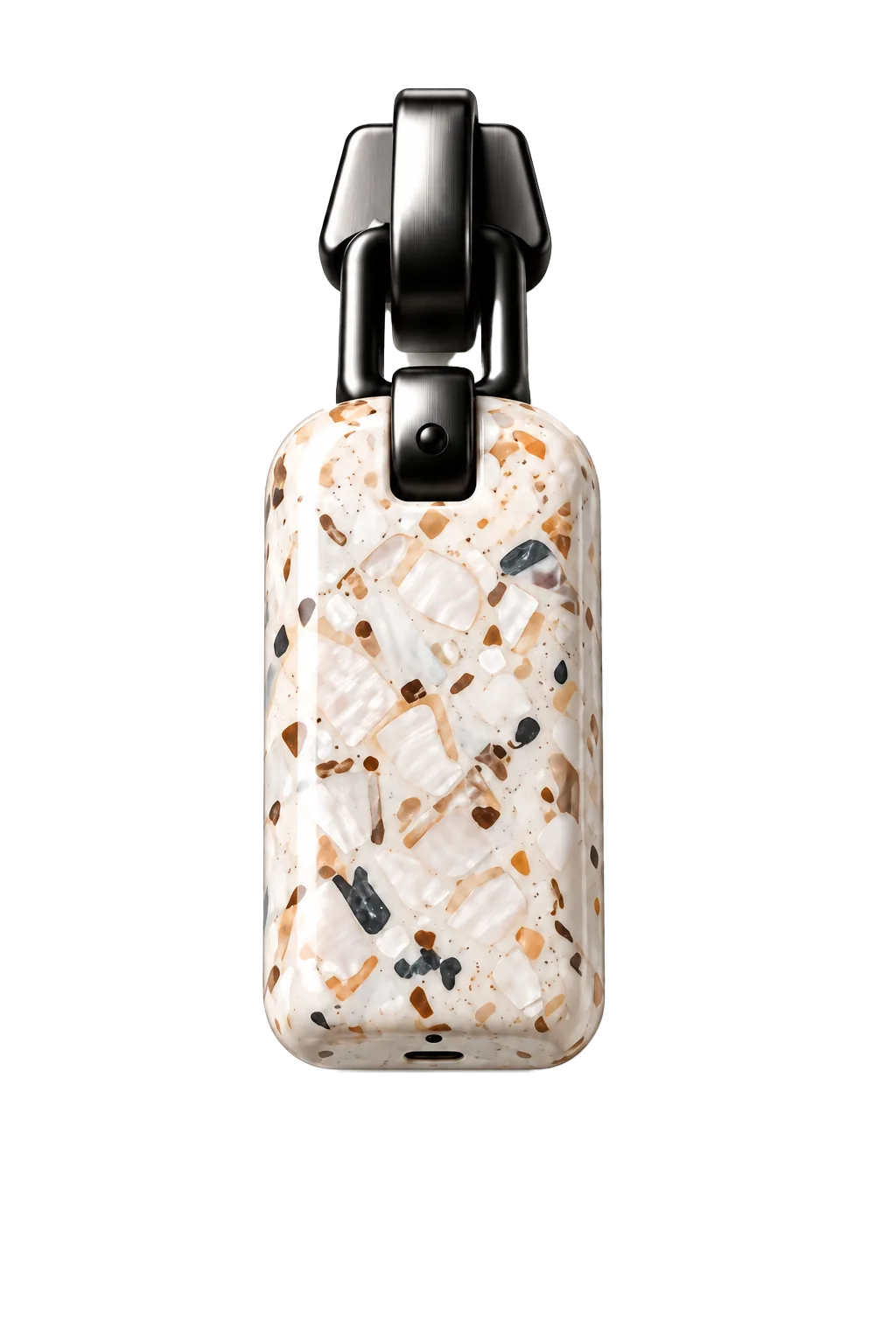 ↗
Pearl Terrazzo Composite Resin Zipper Puller
Production ready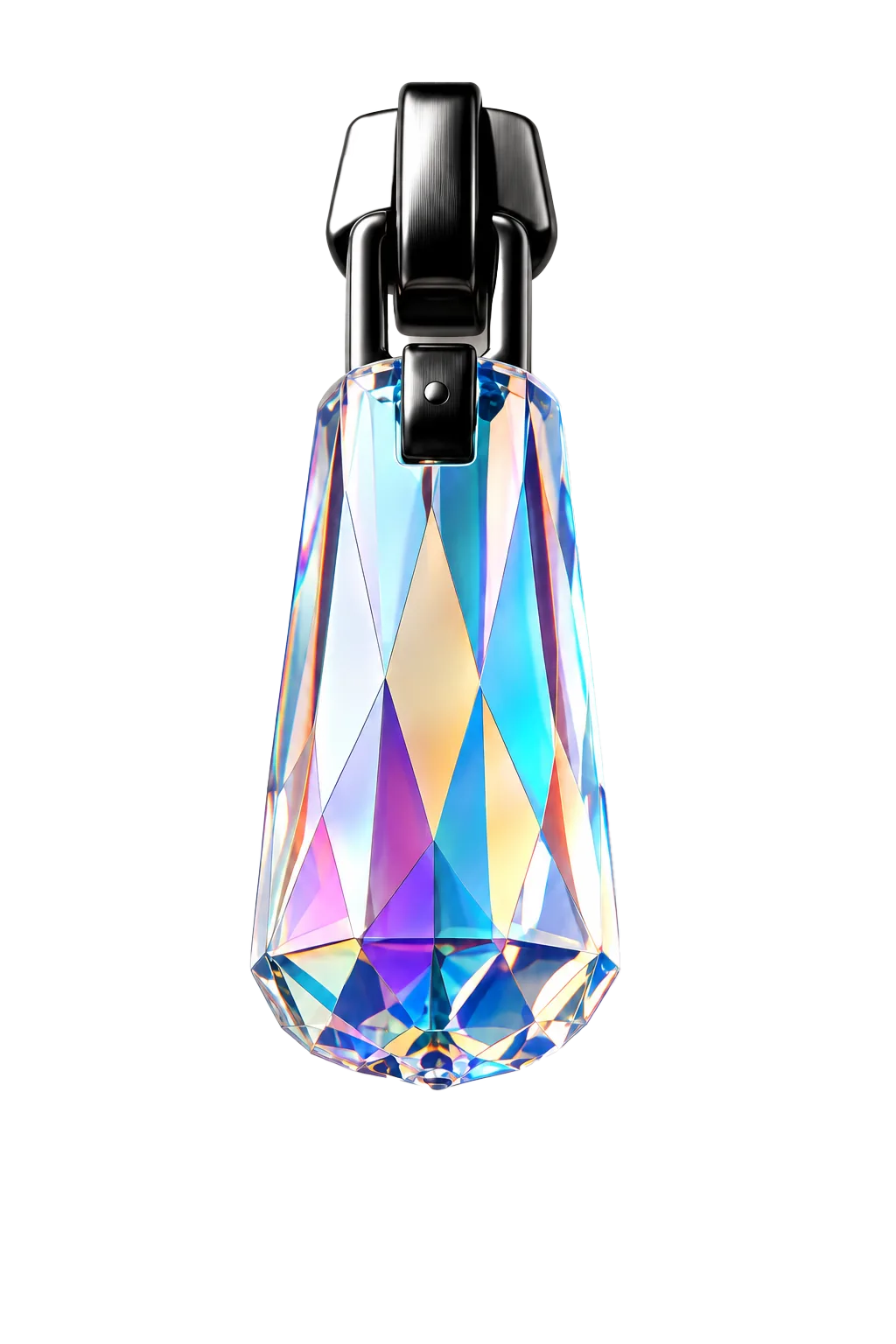 ↗
Prism Shift Iridescent Faceted Zipper Puller
Concept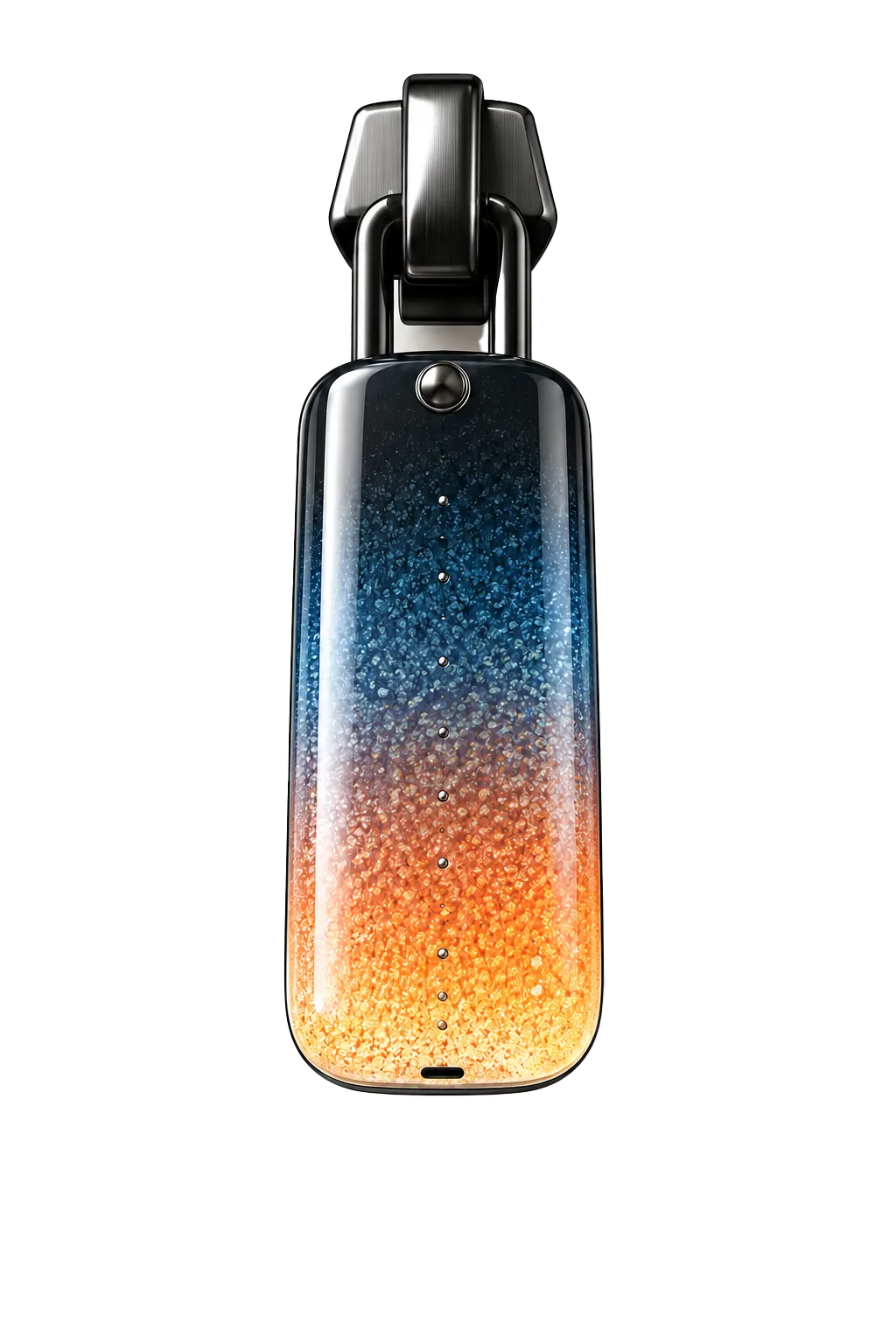 ↗